What to Expect at a Skin Cancer Check in Cairns: Your 2026 Guide
Living in Cairns, QLD, means living under one of the most intense UV environments in the world. This guide explains what happens during a skin cancer check, why Cairns residents may need them more often than people in southern Australia, and how to protect yourself between appointments.
Why Cairns Residents Face a Higher Skin Cancer Risk
Cairns sits in Far North Queensland, where UV radiation is extreme every single month of the year. The UV index stays at 3 or above year-round, with summer peaks reaching 13 to 14, among the highest in the country. A UV index of 3 or above is the threshold at which sun protection becomes necessary.
The tropical climate, intense Queensland sun, and an active, outdoorsy lifestyle all contribute to high rates of skin cancer across the region. Outdoor work, reef trips, sport, and even the daily school run add to a lifetime of cumulative exposure. Queensland consistently holds the highest skin cancer rates in Australia, and among the highest worldwide.
What Are the Most Common Skin Cancers in Far North Queensland?
Three types are most commonly seen in high-UV regions like Far North Queensland.
Basal Cell Carcinoma (BCC) makes up about 70% of all skin cancer diagnoses. It usually appears as a painless, pearly lump that may become ulcerated. BCCs grow slowly and rarely spread, but still need prompt treatment.
Squamous Cell Carcinoma (SCC) is the second most common non-melanoma skin cancer, typically appearing as a thickened, red, scaly spot on sun-exposed areas such as the head, neck, arms, and legs.
Melanoma is the most serious form and the third most common cancer in Australia for both men and women. When caught early, it is highly treatable; when missed, it can spread quickly.
Skin cancer does not always look the way people expect. Nodular melanoma can appear as an ordinary pink or red lump rather than an irregularly shaped dark mole. BCC can resemble a small shiny patch or a sore that will not heal.
What Happens Step by Step at a Skin Cancer Check?
Step 1: Your Medical History
The GP reviews your medical history, including previous skin conditions, family history of skin cancer, and sun exposure habits. Mention any spots or moles you have noticed changing, even if you are unsure.
Step 2: Full-Body Examination
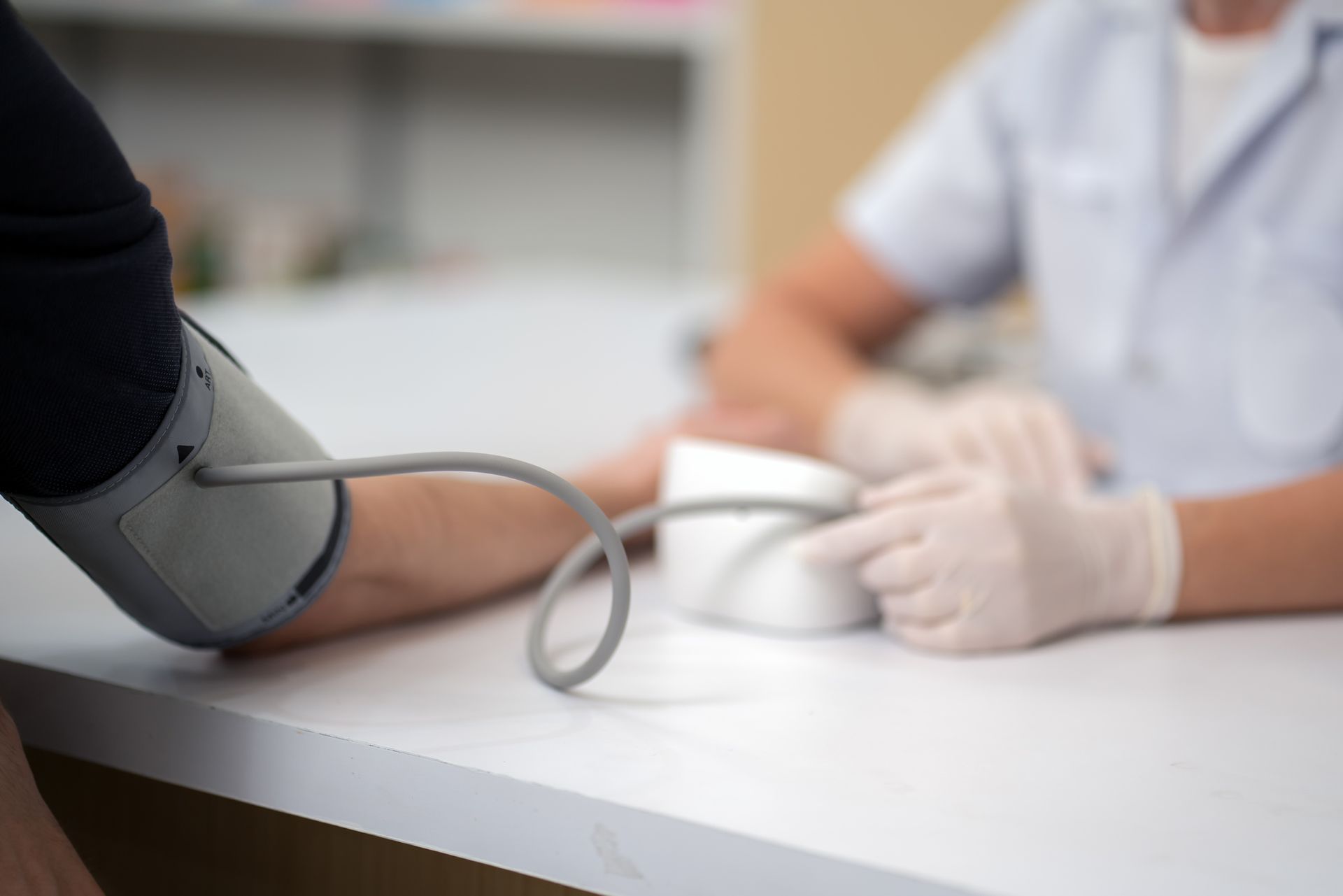
Your doctor examines your skin from head to toe using a dermatoscope, a magnifying tool with a light. You may be asked to undress to your underwear so no area is missed. The check is professional and respectful throughout.
Step 3: Assessment of Concerning Spots
If an area looks suspicious, your doctor may recommend monitoring, a biopsy, or removal. The clinic can perform skin biopsies and excisions on the day or at a follow-up appointment.
Step 4: Results and Next Steps
Your doctor will explain what they found and what happens next. Most spots turn out to be harmless, but early detection of those that are not can make a significant difference to your outcome.
How Often Should Cairns Residents Get a Skin Check?
For most Caucasian adults in Queensland, an annual skin check is the default recommendation. Individual frequency depends on your risk profile: low to moderate risk warrants a check every one to two years; higher-risk individuals every six to twelve months; and those with a previous skin cancer diagnosis every three to six months.
Higher risk includes fair complexion, a tendency to burn, freckles, light or red hair, sun spots, high UV exposure, and sunburn in childhood. Given Cairns' year-round sun intensity, most adults in the region would be considered at least moderate risk.
Medicare and the Cost of a Skin Cancer Check
A skin cancer check at a GP clinic may attract a Medicare rebate, though not all GP clinics bulk bill. Medicare generally covers mole removal procedures considered medically necessary, including lesions suspected to be cancerous, at increased risk of malignancy, or causing functional impairment.
For specific fee information, visit the Our Fees page or contact us to ask about current billing arrangements before your appointment.
What to Look for Between Appointments
RACGP guidelines recommend self-examination every three months alongside risk-based clinical checks. During your self-check, look for spots that are new, changing, or unusual in size, shape, or colour. Pay particular attention to sun-exposed areas such as your face, ears, neck, arms, and the backs of your hands. Do not ignore spots that bleed, itch, or will not heal.
Combining professional skin cancer checks with consistent sun protection and self-monitoring gives you the best possible defence in Far North Queensland.
Book Your Skin Cancer Check with CTL Medical in Cairns
Early detection remains one of the most effective tools against skin cancer, and nowhere is that more relevant than Cairns, QLD. CTL Medical, located at the Cairns Corporate Tower on Lake Street, offers skin cancer screening and management<https://www.ctlmedical.com.au/skin-cancer-screening-management> including skin biopsies, excisions, and treatment of pre-cancerous and cancerous lesions.
To book your skin cancer check, call 07 4041 1699 or contact the clinic online. The clinic is open Monday to Friday, 8:00 am to 6:00 pm. You can also find CTL Medical on Google Maps for directions and reviews.